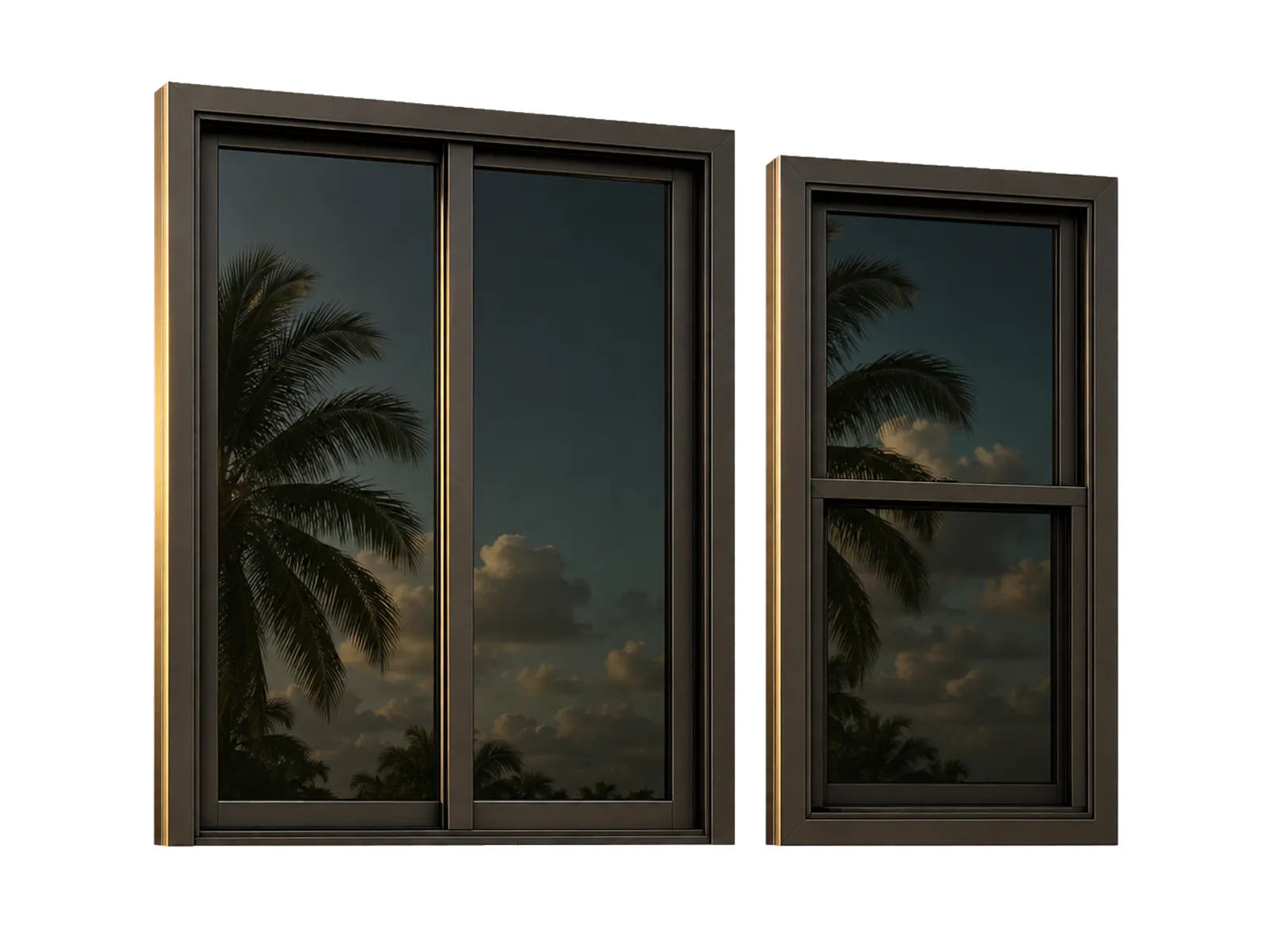
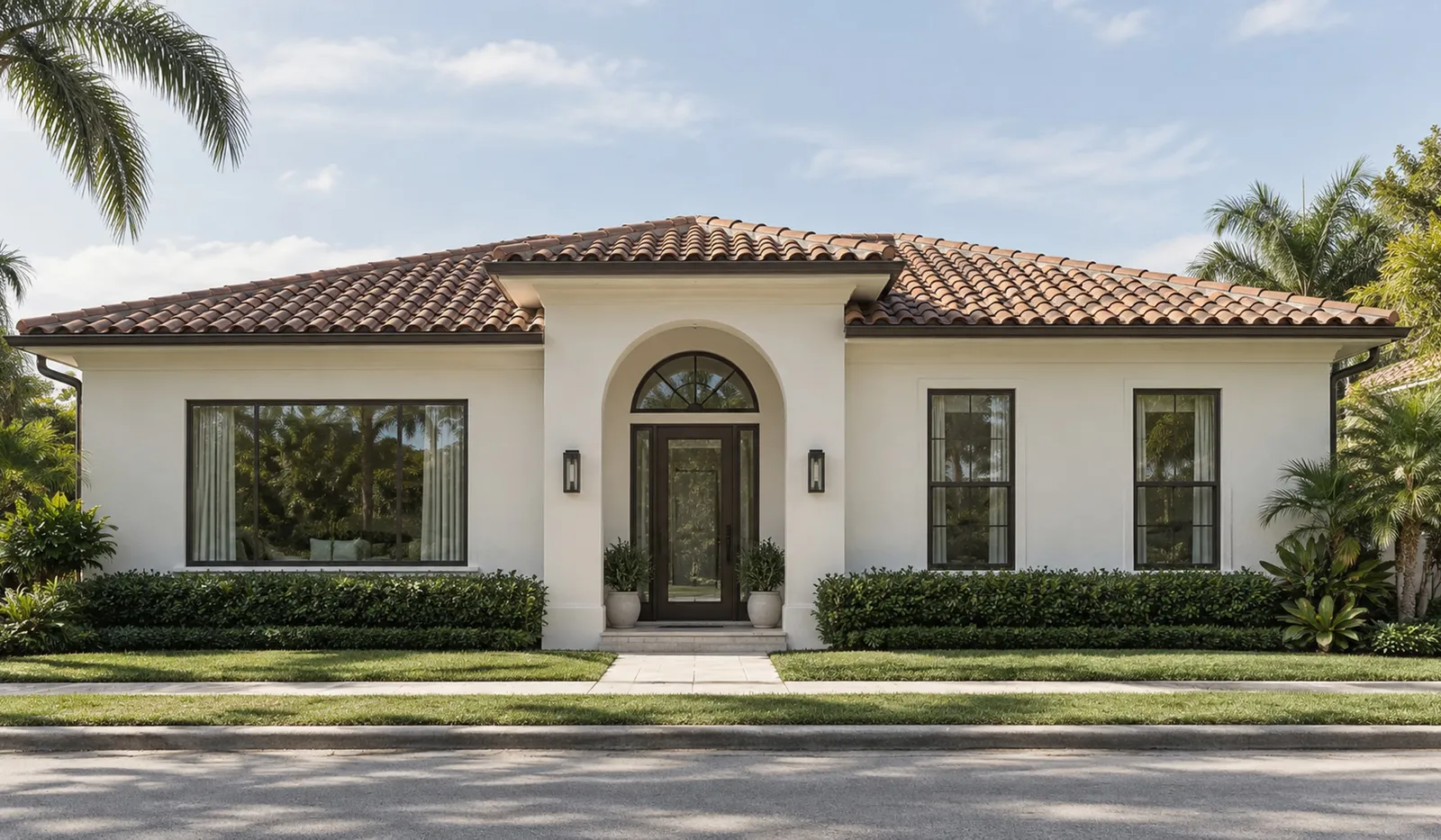
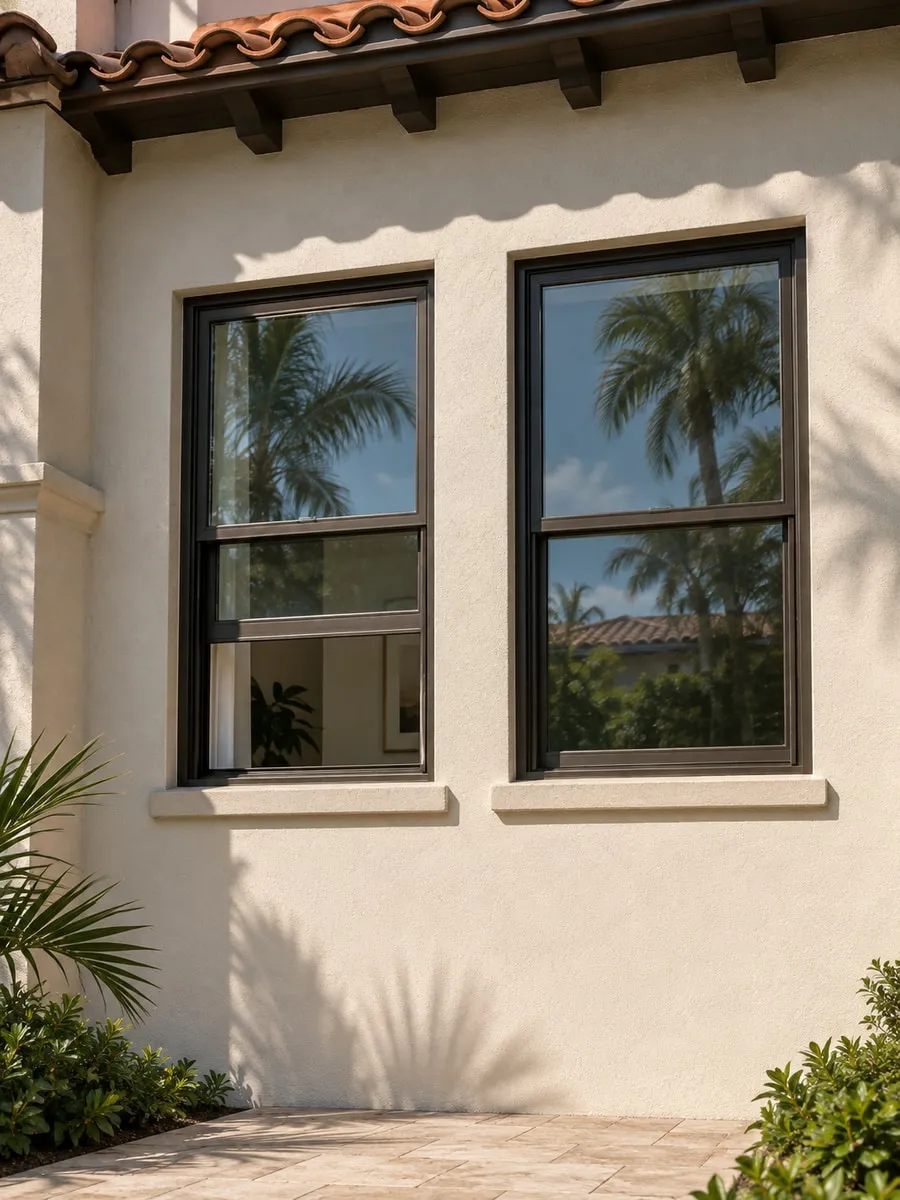
Single Hung Impact Windows
The default window in Miami-Dade single family homes and townhouses. Fewest moving parts, lowest cost per square foot, and it reaches high design pressures without difficulty.
Six operating types. The one that suits your home depends on the shape of the opening and what you want it to do.
The first decision is not the brand. It is how the window opens, because that is what decides ventilation, egress, cost and what fits your opening.
The default window in Miami-Dade single family homes and townhouses. Fewest moving parts, lowest cost per square foot, and it reaches high design pressures without difficulty.
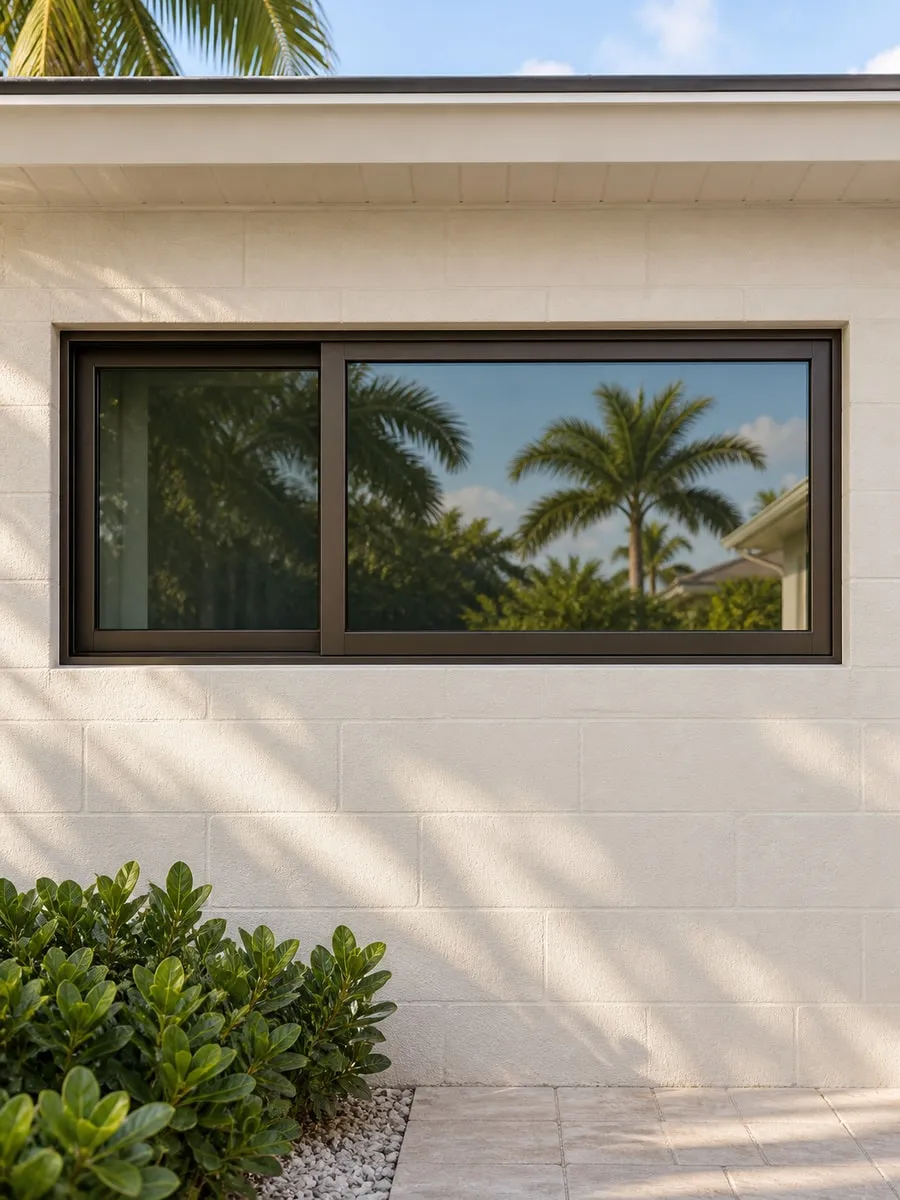
Along with single hung, the dominant type in South Florida, because it fits the wide low openings of the concrete block homes that fill Doral, Hialeah and Westchester.
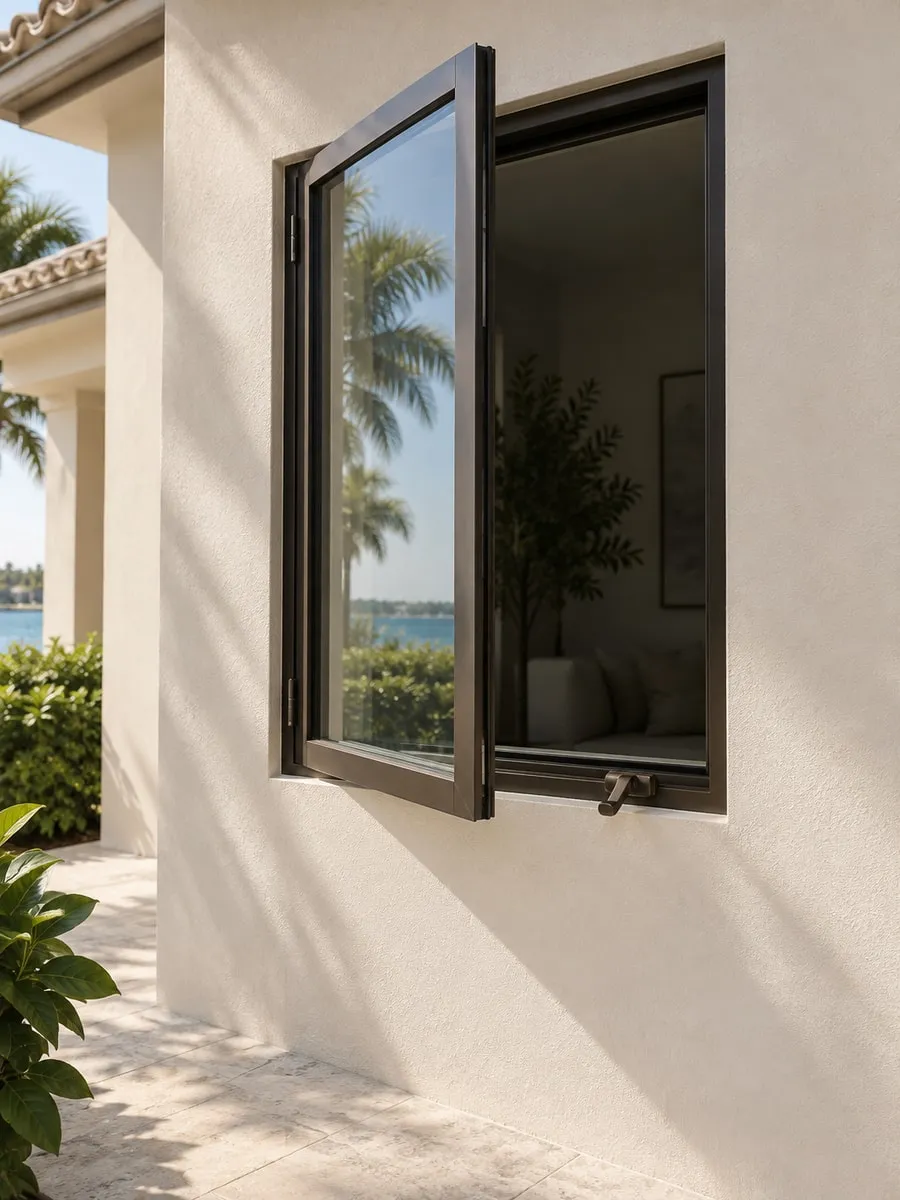
The best ventilation of any window type, and the best air seal when closed, because the sash wedges against the frame. Worth paying for where airflow is the point.
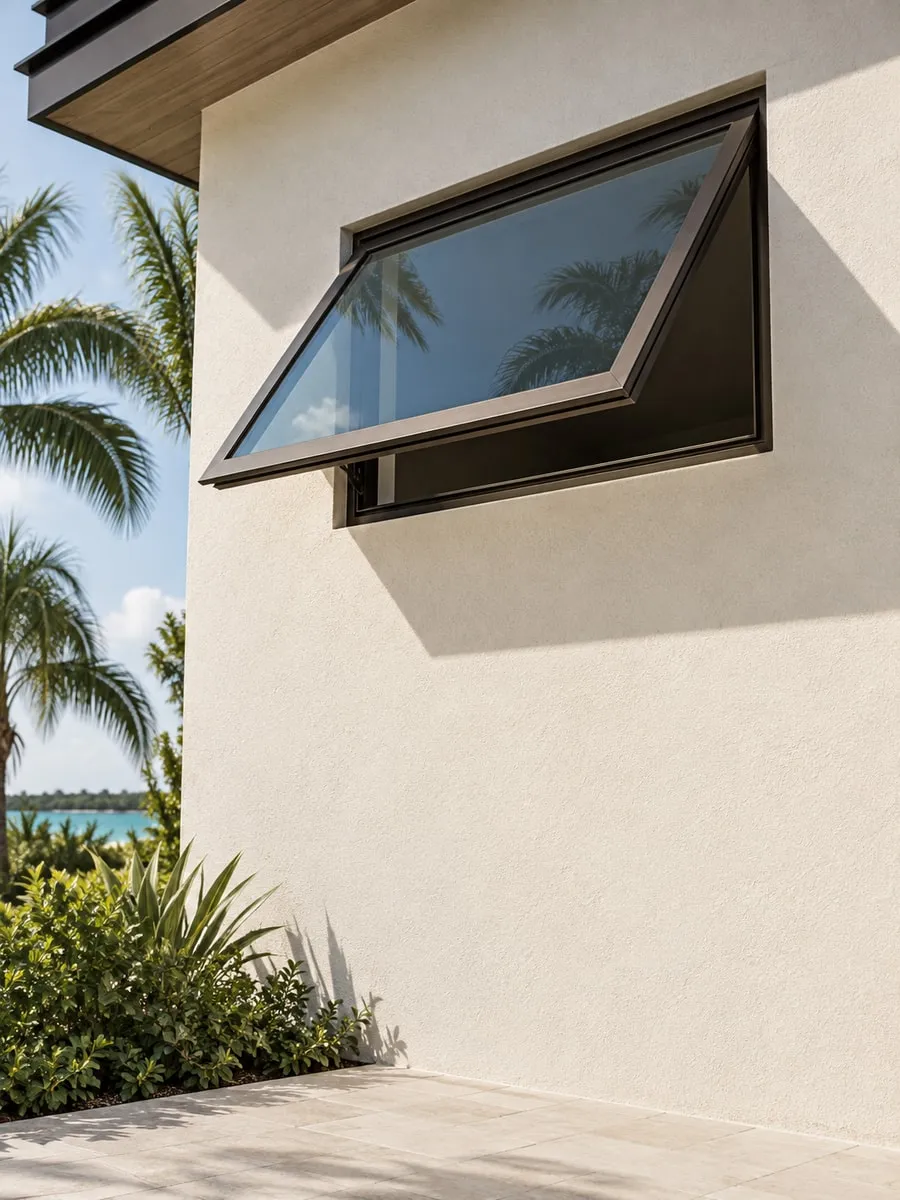
Also sold as project-out windows. The sash acts as its own little roof, which is why these go in bathrooms, utility rooms and high on a wall where you want air and privacy at once.
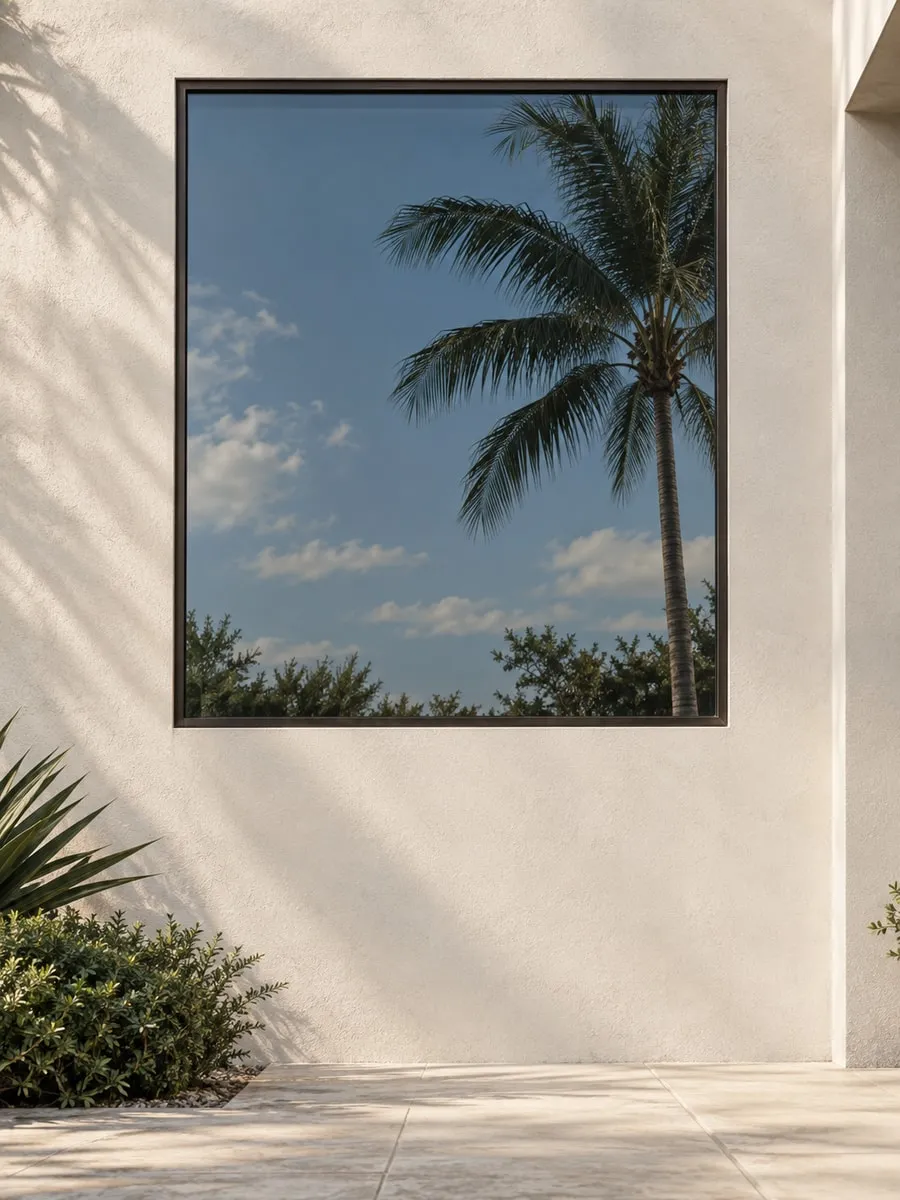
A fixed unit is glass and frame and nothing else. Because there is no sash to move, it reaches the highest design pressures and the largest sizes in any catalogue, and it costs the least per square foot of glass.
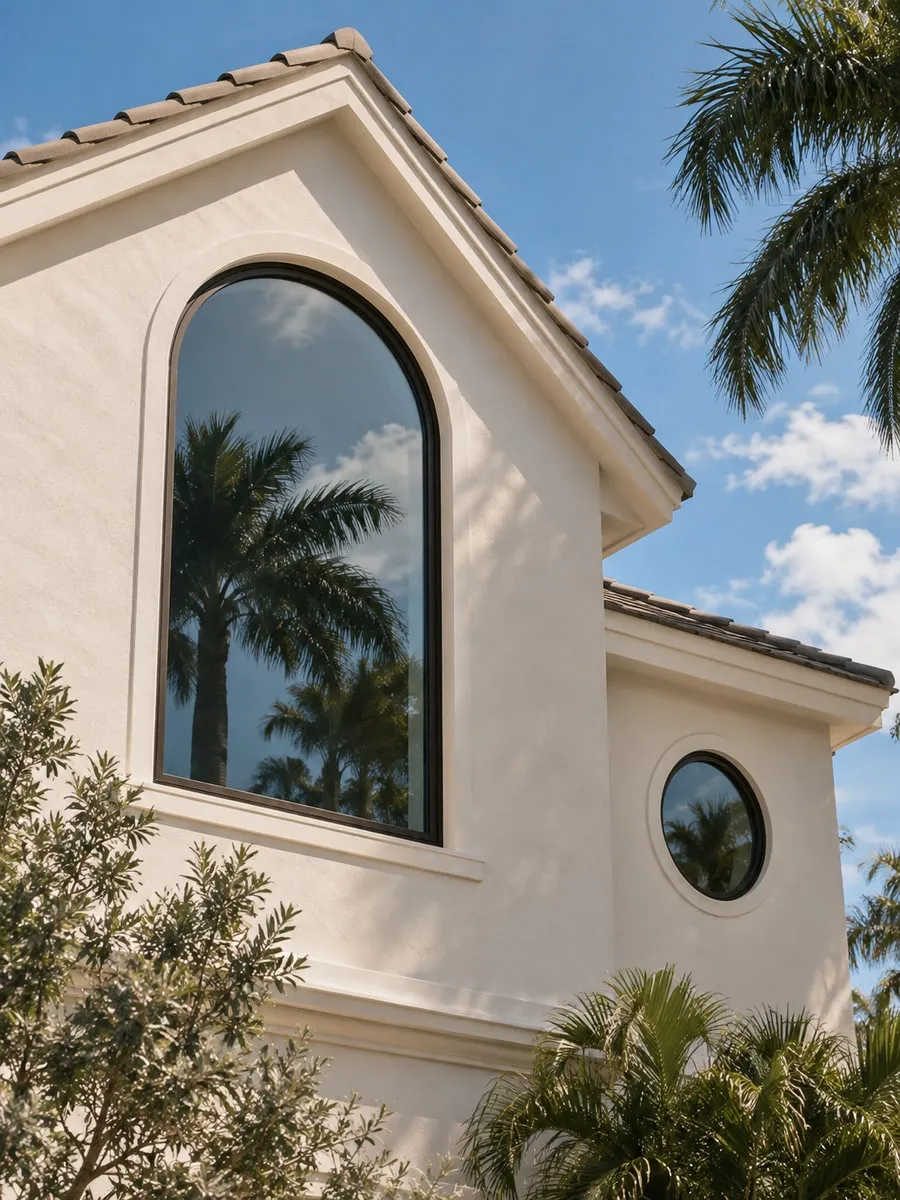
Non-rectangular units, almost always fixed. The arch above a front door and the round window in a gable are everywhere in the Mediterranean Revival housing built here through the nineties and two thousands, and they are among the most common openings left unprotected.
At a glance
Ventilation is how much of the opening actually lets air through. Cost is relative, per square foot, between these types — not a price.
| Single hungThe Florida standard | Horizontal rollerWide, low openings | CasementMaximum airflow | AwningVentilates in the rain | PictureNo opening at all | ArchitecturalArches and shapes | |
|---|---|---|---|---|---|---|
| How it opens | Bottom sash slides up | Panels slide sideways | Side hinged, crank operated | Top hinged, opens outward | Does not open | Almost always fixed |
| Ventilation | About half | About half | The whole opening | Most of it | None | None |
| Relative cost | Lowest | Low | High | High | Lowest per square foot | Highest |
| Counts for bedroom egress | Yes | Yes | Yes | Only if low enough | No | No |
| Where it usually goes | Bedrooms and living rooms | Wide CBS openings | Over kitchen sinks | Bathrooms and high walls | Views and compositions | Gables and entrances |
If most of your openings are wide and low, which is how the concrete block homes around Doral and Hialeah were built, horizontal rollers will do most of the work and single hung will fill the rest. Casement is worth paying for where airflow matters. Nobody needs one type everywhere.
These three answers do not change with the operating type. They are what tells an approved unit from one that only looks like it, and they are worth checking on any quote — ours or anybody else’s.
Design pressures, U-factors and acoustic ratings belong to a specific model at a specific size and come from its Notice of Acceptance. We give you the ones for your openings with the quote.
Glass
The frame type decides how the window opens. The glass decides what it does about heat, noise and fading. These are the packages we quote.
| LaminatedThe baseline. Two panes bonded to an interlayer. | RecommendedLaminated + Low-EThe usual choice in Miami. | Insulated laminatedAn air gap on top of the laminate. | Acoustic laminatedFor homes under the flight path. | |
|---|---|---|---|---|
| What it is | Two panes of glass with a plastic interlayer between them | Yes | The most, and the best U-factor | The most, and the only package worth buying if noise is the reason for the job |
| Impact approved | Two panes of glass with a plastic interlayer between them | Yes | The most, and the best U-factor | The most, and the only package worth buying if noise is the reason for the job |
| Heat through the glass | Two panes of glass with a plastic interlayer between them | Yes | The most, and the best U-factor | The most, and the only package worth buying if noise is the reason for the job |
| Traffic and aircraft noise | Two panes of glass with a plastic interlayer between them | Yes | The most, and the best U-factor | The most, and the only package worth buying if noise is the reason for the job |
| Relative cost | Two panes of glass with a plastic interlayer between them | Yes | The most, and the best U-factor | The most, and the only package worth buying if noise is the reason for the job |
Every line we sell carries Miami-Dade approval. Which one suits your job depends on the openings and the budget, and we will tell you when the cheaper line is the better buy.
You should. Most orders we quote end up with rollers on the wide openings, single hung in the bedrooms, a casement over the kitchen sink and a fixed unit where the view is. Buying one type for everything is how you end up overpaying for some openings and under-ventilating others.
Not in the sense that matters. Every type on this page is available with Large Missile approval. What changes with type is the design pressure that can be reached at a given size, which is why the size of your openings is part of the conversation and not an afterthought.
Both sashes move instead of just the lower one. It ventilates in a better pattern and costs more, and in Miami it is an aesthetic choice rather than a practical one. We supply it — ask for it by name and we will quote it against single hung so you can see the difference.
Aluminium carries the large spans and the high design pressures, which is why it dominates South Florida. Vinyl insulates better and is limited in size, so it fits single family homes inland with ordinary openings. We will tell you which one your openings actually need.
We measure every opening and tell you what belongs in each one, and why.
Get a free estimate