Shade accessories
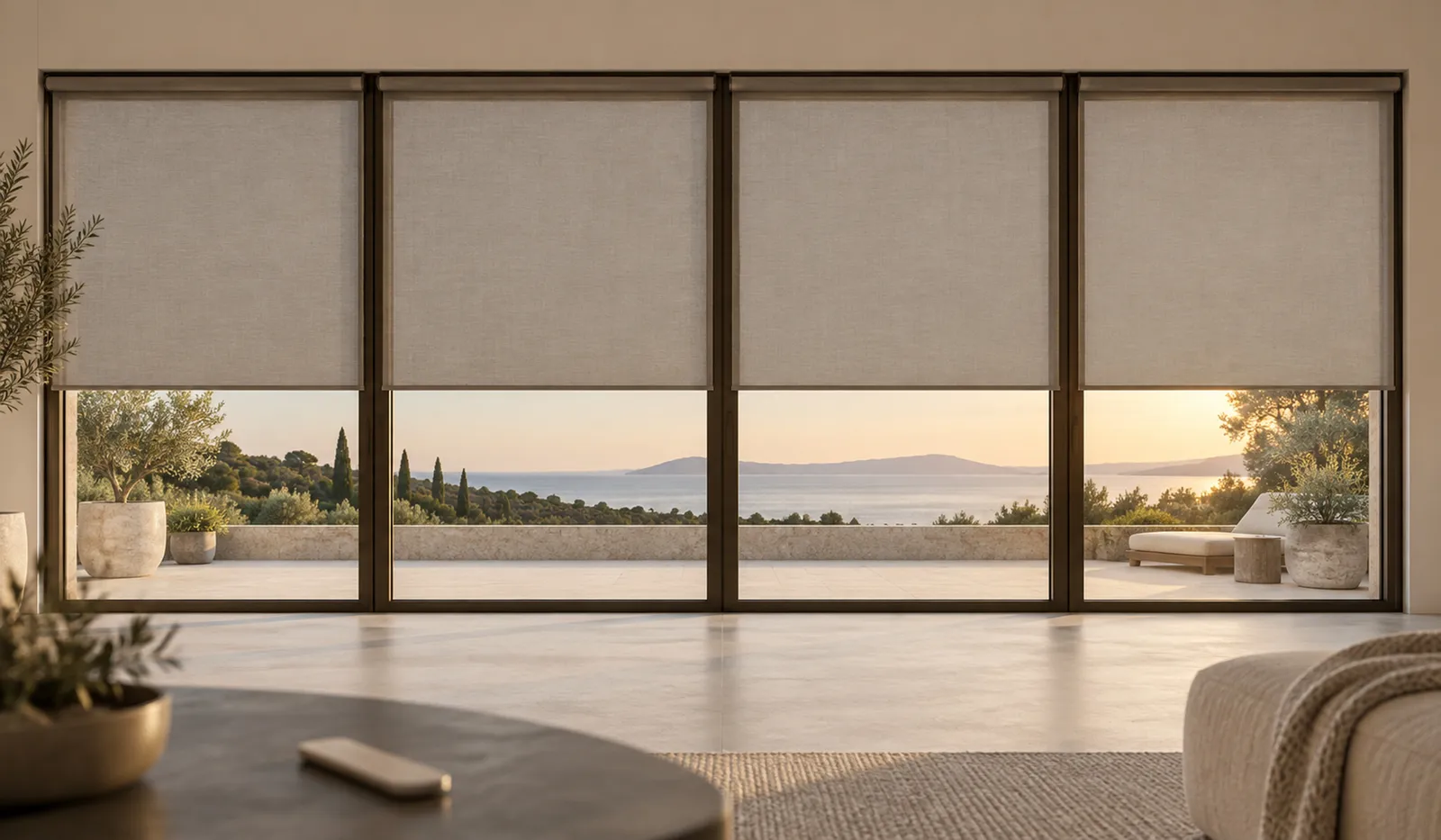
The part of the order that is not cloth: the motor inside the tube, the remote it answers to and the hub that puts both on the house network.
How the hardware is chosen
Three questions decide the whole motor
- Where the power comes from: a battery, a battery with a solar panel, or wired AC
- How much torque the tube has to turn, which the width and the cloth decide
- Whether the motor reports back, which is what a hub and an app need
A motorised shade is a tube with a motor inside it, and most of the specification follows from where that motor gets its electricity. A battery motor goes into an opening with no wiring at all and is topped up from a 5 V charger, or left alone entirely once a solar panel is mounted at the glass beside it. A wired motor never needs charging and does need power in the head of the opening — which is a decision to make while the wall is still open, not after it has been closed and painted.
The second figure is torque, and it is the one that is easy to get wrong. One newton-metre turns a bedroom roller and stalls on a wide opening in a 530 g/m² screen. The width, the drop and the weight of the cloth set the tube and the torque together — 25 mm for the small openings, 35 mm for most rooms, 45 mm where the cloth is wide and heavy — so the motor is quoted against a measured opening rather than picked off a shelf.
The third is whether the motor is unidirectional or bidirectional. A unidirectional motor takes an order and says nothing; a bidirectional one reports where it actually is, which is what lets a hub, a phone or a smart-home system show a shade half open rather than merely show that it was told to go up. If the shades are going onto the network, that is the line on the table to read first.
The motors and controls we quote
Grouped by what each piece does. Every indoor motor here runs at or under 42 decibels, which is the threshold the industry calls a quiet motor — and the one exception in the table is marked as such.
Tube motors, for roller and dual shades
- RE-LION Celtic 25 mm battery motor
- 1 Nm · 30 rpm · bidirectional · 32 dB · IP44
- The small one, and the only tube motor here that needs neither an outlet nor a hub to be useful. For bedroom and bathroom rollers in a light cloth, where the tube is short and the shade moves twice a day.
- RE-LION Celtic 35 mm AC motor, unidirectional
- 6 Nm · 28 rpm · 220 V AC · 37 dB · IP44
- Wired, and it takes an order without reporting back. The plainest way to motorise a run of ordinary rooms where nothing afterwards needs to know where the shade ended up.
- RE-LION Celtic 35 mm AC motor, bidirectional
- 6 Nm · 33 rpm · 110 V AC · 37 dB · IP44
- The same motor on the voltage a Florida house already has, and it answers back — which is what a hub needs before an app can show a position rather than a last instruction.
- RE-LION Celtic 35 mm WiFi motor, bidirectional
- 6 Nm · 33 rpm · 110 V AC · 37 dB · IP44
- The radio is in the motor, so it joins the house network without a hub in front of it. Sensible for one or two openings; past that a hub is one thing on the router instead of eight.
- RE-LION Celtic 45 mm AC motor, bidirectional
- 20 Nm · 26 rpm · 220 V AC · 43 dB · IP44
- The heavy one. Twenty newton-metres is what a wide opening in a 530 g/m² screen asks for, and at 43 dB it is the only motor here over the quiet line — it belongs on a great room, not over a bed.
- Sonesse® ULTRA 30 WireFree RTS
- 30 mm tube · rechargeable lithium-ion · RTS radio
- Somfy’s wire-free motor, with the battery inside the tube rather than in a pack on the bracket. For a finished wall with no power in the head of the opening and no appetite for opening it again.
Drapery motors, for ripple fold on a track
- RE-LION Celtic drapery motor, AC
- 2 Nm · 100–240 V AC · bidirectional · 29 dB · IP40
- For cloth on a track rather than on a tube. Twenty-nine decibels is the quietest figure in this table, and it matters more here than anywhere else: a drapery motor runs for the whole width of a room, not for a second and a half.
- RE-LION Celtic drapery motor, battery
- 1 Nm · bidirectional · 29 dB · IP40
- The same movement with no wiring at all, for a track going onto a wall that is already closed. It is the drapery answer to the question the 25 mm tube motor answers on a roller.
Controls
- Situo® 1 RTS Pure II
- One channel · handheld
- One shade, or one group of shades that always move together. The remote that ends up on the table beside the chair rather than on the wall.
- Situo® 5 RTS Pure II
- Five channels · handheld
- Five channels on one handset, so a wall of glass can be moved a shade at a time or all at once without a second remote for the second way of doing it.
- VTi Re-Lion SMARTHUB
- Network bridge · app control
- The bridge between the motors and the house network. It is what puts the shades in a phone and what lets a schedule run them, and it needs motors that report back before it can show anything true.
- VTi Re-Lion SMARTHUB Plus
- Network bridge · the larger of the two
- The same job at the size of a house rather than a room. Which of the two an order needs depends on how many motors and how many groups it ends up with, so it is settled on the quote.
Power
- RE-LION Celtic battery charger
- 5 V DC · 2 A
- What a battery motor is topped up from. How often depends on how far and how often the shade travels — it is a charge you plan for, not a battery anyone replaces.
- Solar panel for RE-LION Celtic battery motors
- Mounts at the glass · trickle charge
- It keeps the battery charged from the window the shade is already hanging in, which is what turns a wire-free shade into one nobody has to think about twice a year.
Torque, speed, sound level and ingress rating are the manufacturers’ published figures. Which motor an opening takes is set by its width, its drop and the weight of the cloth, so it is confirmed on the quote rather than chosen here — and none of it is hurricane protection: that is the glass, the frame and the anchoring, and it is what carries the Notice of Acceptance.
What the hardware is the right answer to
A run of tall or hard-to-reach openings, which is where motorised stops being a luxury
A stairwell window and a transom over a door are the two nobody reaches, and they are the two that then sit in whatever position they were left in for years.
A whole elevation that should move at once rather than chain by chain
A finished wall with no power in the head of the opening
A battery motor is the answer that does not involve opening the wall again, and a solar panel at the glass is what stops it becoming a chore twice a year.
A schedule, so the west side is down before the afternoon sun instead of after it
A phone that should report the shade honestly
Only a bidirectional motor knows where it is. A unidirectional one can be told to go up; it cannot tell anyone whether it did.
A bedroom, where the gap between 29 and 43 decibels is the whole argument
Questions we get about motors and controls
Do I have to motorise every shade?
No, and most orders do not. Manual is the right answer for anything within reach, and a chain costs nothing to operate. The usual order is motors on the tall openings and on the elevation that gets the afternoon sun, and chains everywhere else.
Battery or wired?
Wired, if power can be brought to the head of the opening while the wall is open — it never needs charging and it does not care how often the shade travels. Battery on a finished wall, with a solar panel at the glass if nobody wants to take a motor down to charge it.
Will these work with my smart home?
That is what the hub is for, and it needs bidirectional motors under it to report a real position rather than the last instruction. Which systems a given hub speaks to is confirmed on the quote rather than promised here.
Who fits the motor?
We sell the shade with the motor in the tube and the remote paired to it; the brackets go up and the connection is made by whoever installs the shade. Ordering the hardware with the cloth is what keeps the motor matched to the width and the weight it has to turn.
The rest of the catalog
Everything else under Shades
One set of measurements and one quote whichever of these you land on. What changes is what the cloth does to the light — and, on the last of them, what raises it.
Screen Shades
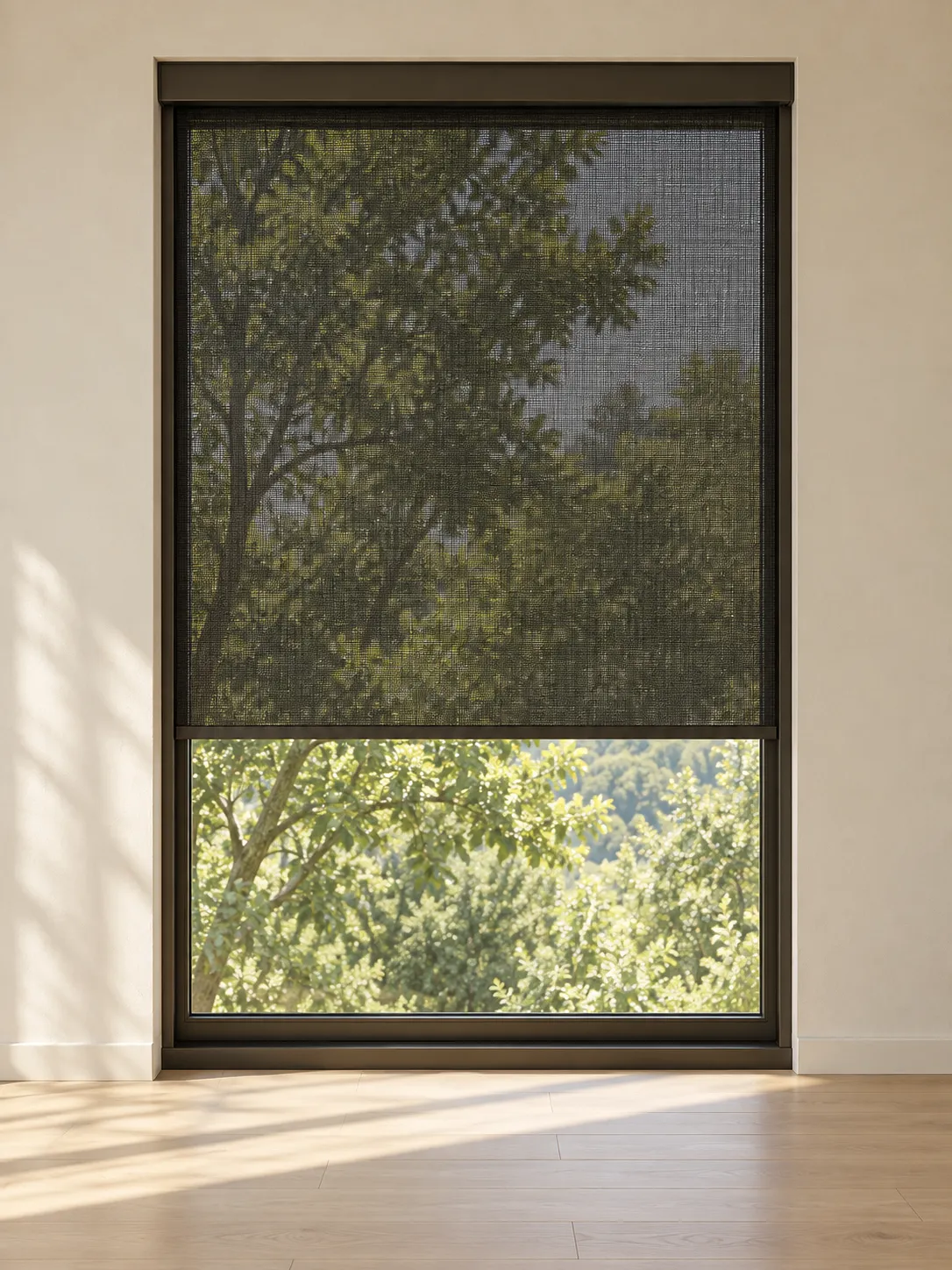
The weave you see through: glare and heat off the glass, view intact.
Decorative Shades
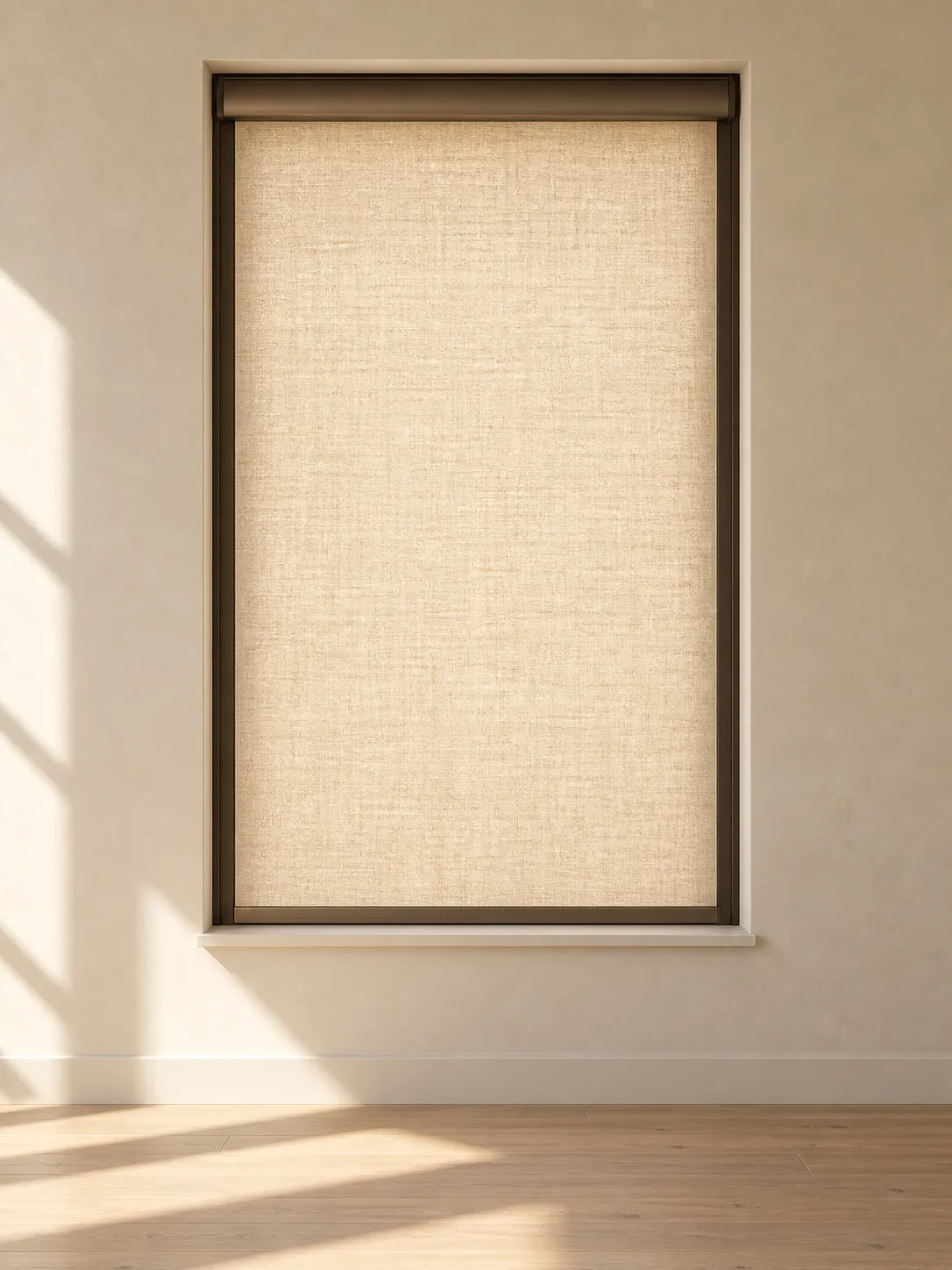
Light-filtering cloths, chosen for the room rather than the elevation.
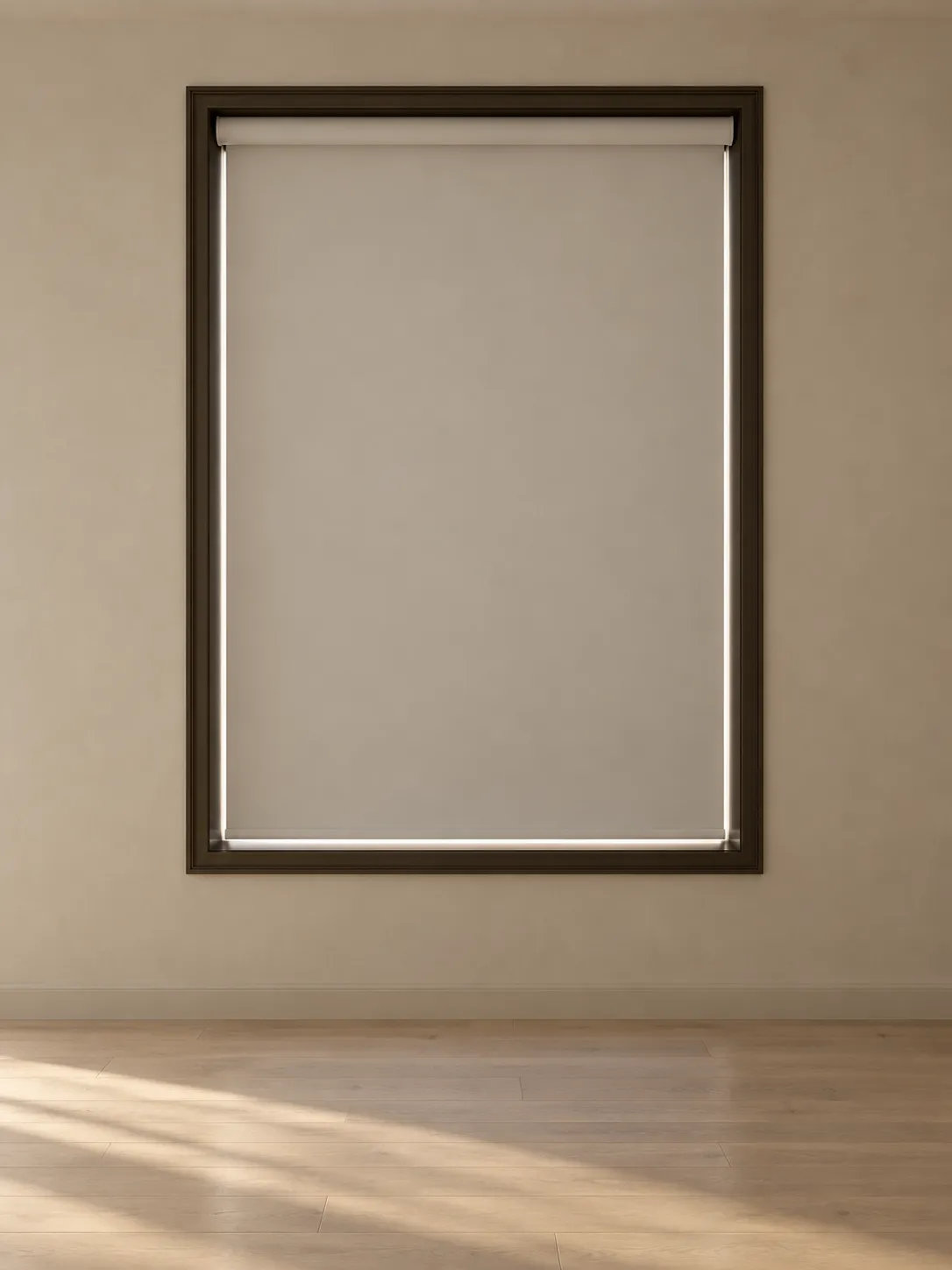
Blackout Shades
Opaque cloth, and the mount that decides whether the room goes dark.
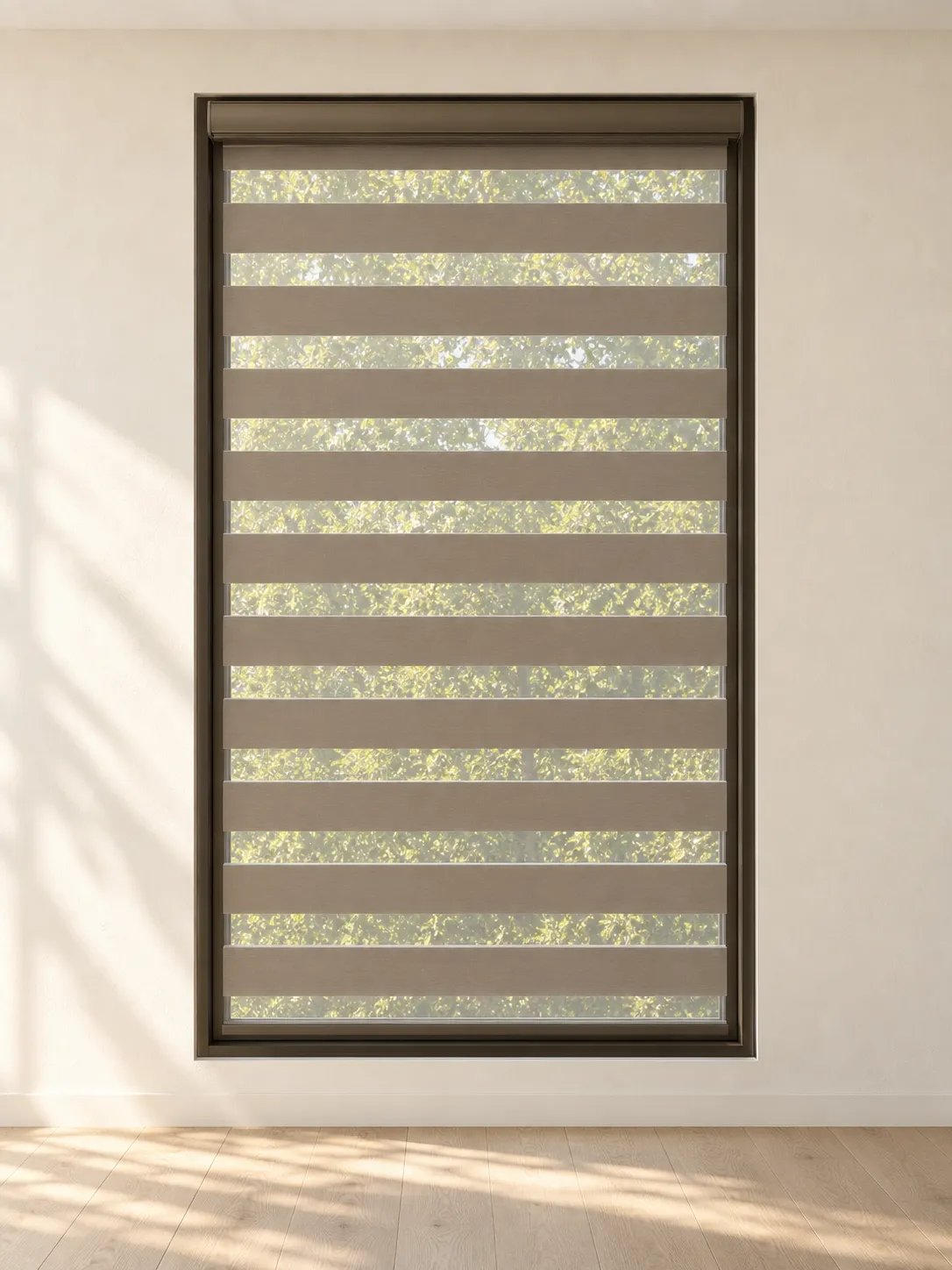
Dual Shades
Sheer and solid bands on one roller: two settings, one header.
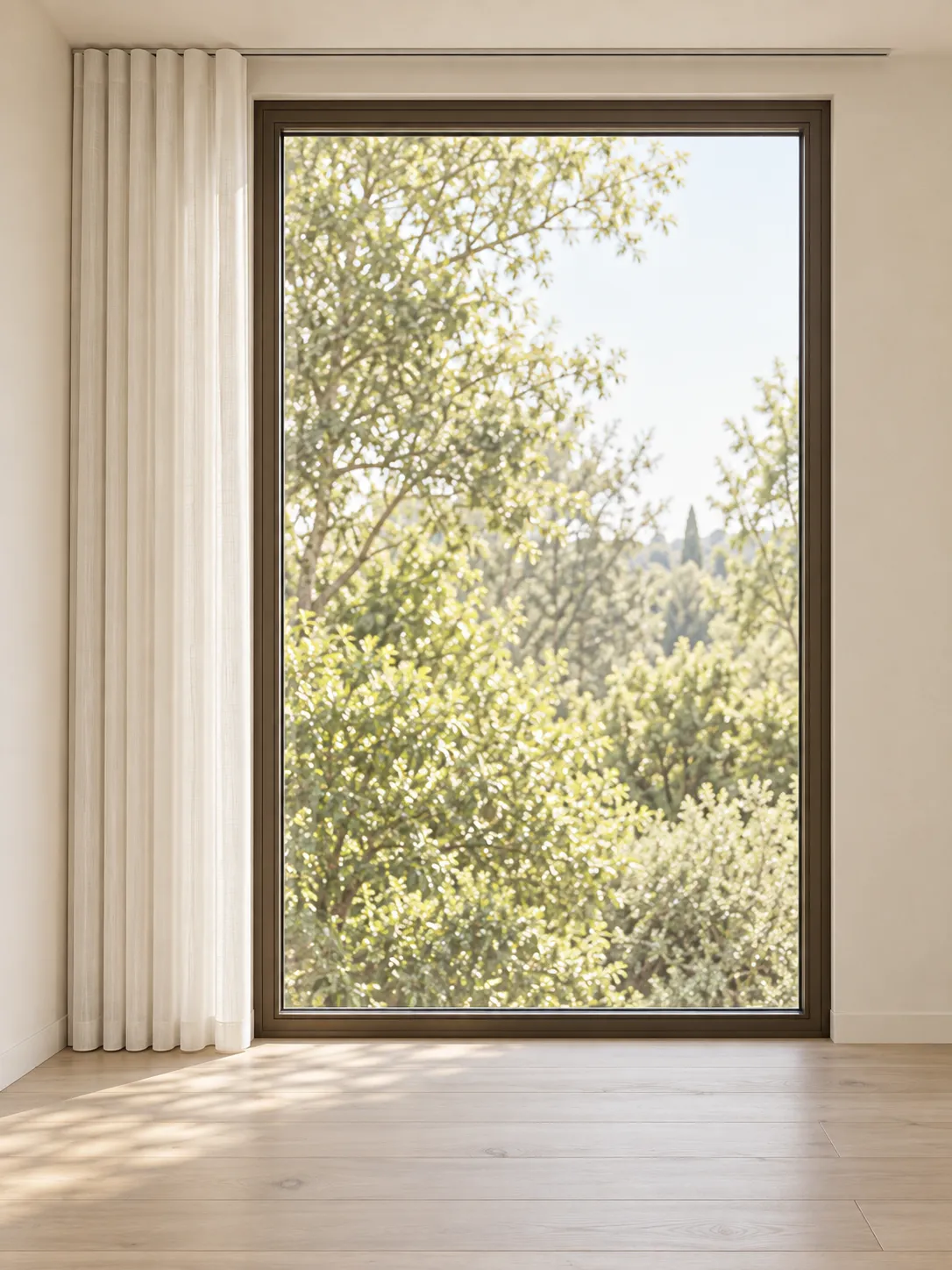
Ripple Fold Drapery
Cloth on a track: an even wave that stacks off the glass, not on it.
Put the motors on the same estimate
Tell us which openings you cannot reach and which elevation gets the afternoon sun, and the hardware is quoted with the cloth.
Get a free estimate