Skip to content
MVC Windows & Doors logo

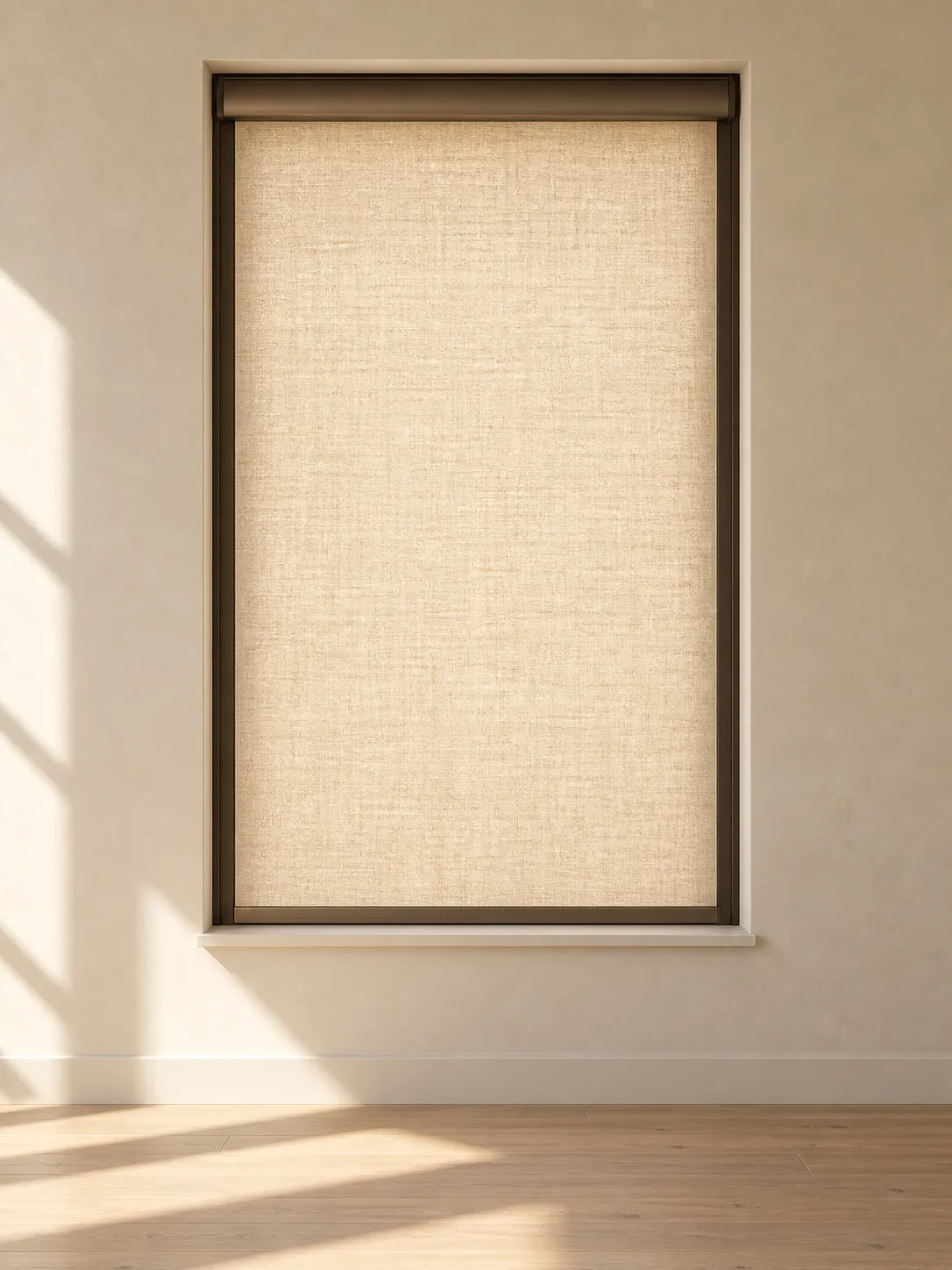
Screen shades

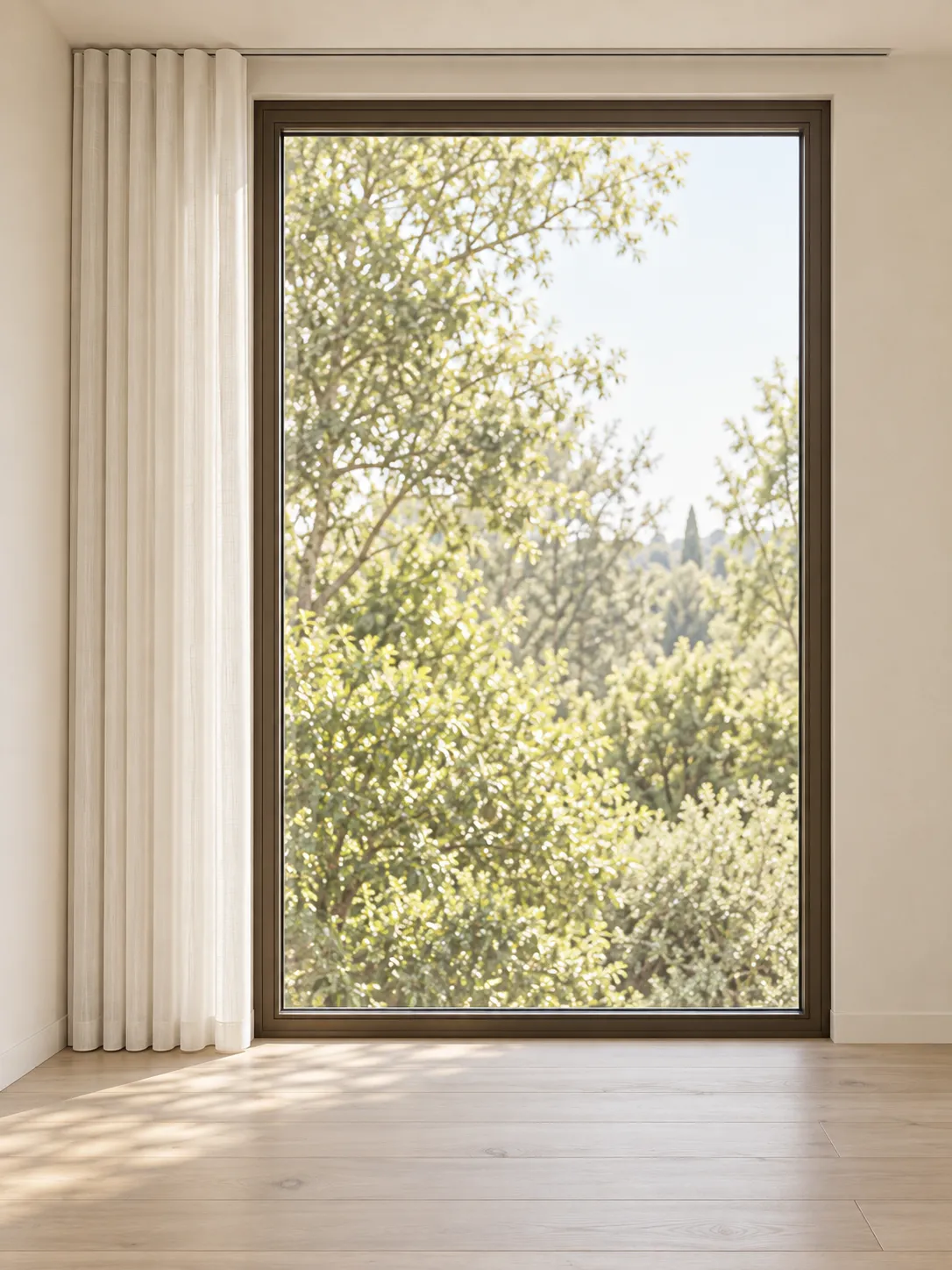
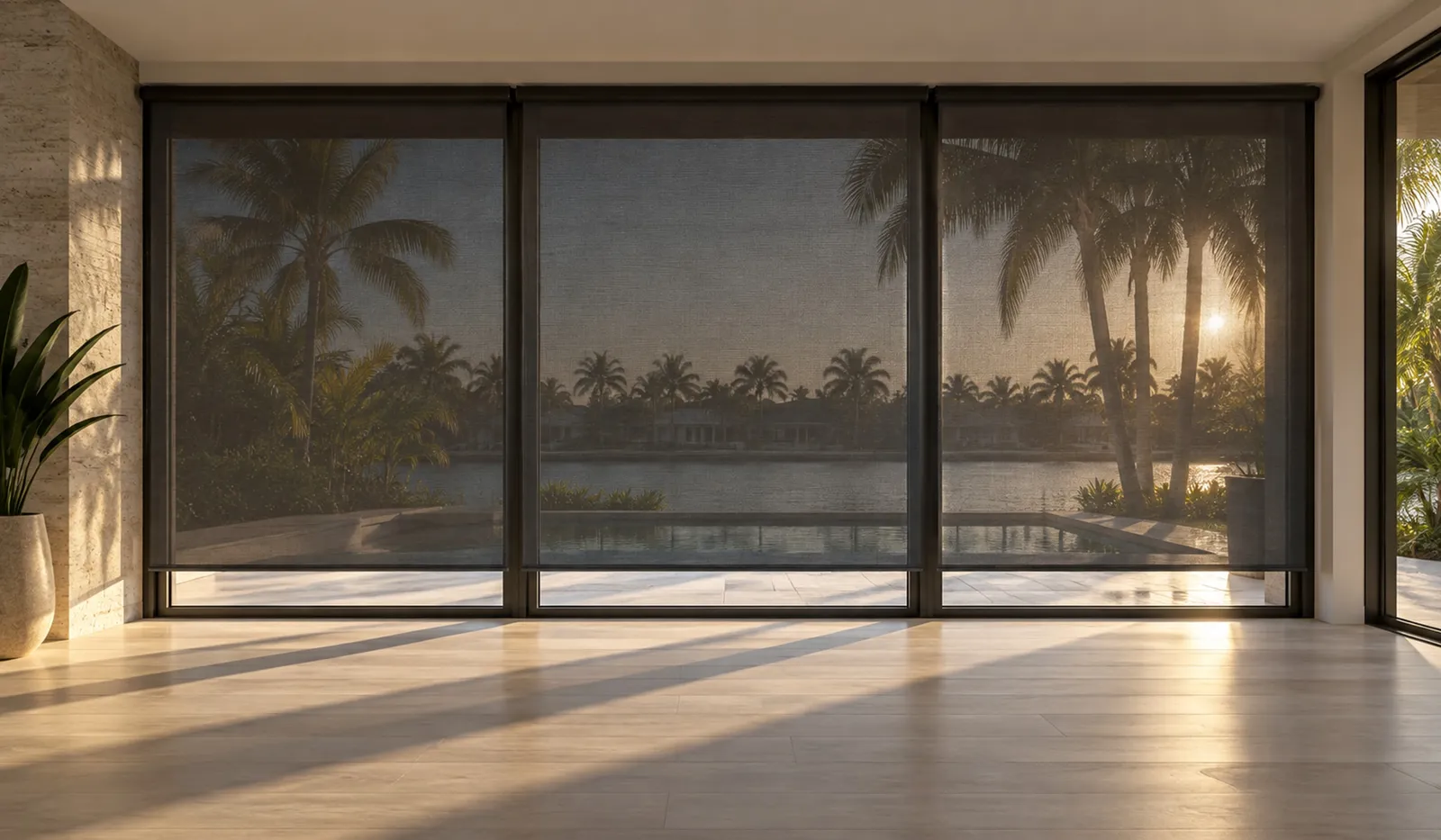
The weave you can still see through. It takes the glare and most of the heat off the glass and leaves the view where it was.

How a screen is chosen

One number decides almost everything about a screen

  • Openness factor: how much of the weave is hole rather than yarn
  • Lower is more shade and less view, and it is never blackout
  • A dark yarn sees out better; a light one bounces more heat away

A solar screen is a woven cloth with a published openness factor — 1%, 3%, 5%, 10% — and that percentage is the share of the weave that is open. At 10% you keep the view almost intact and let a good deal of heat and glare through with it. At 1% the cloth reads as nearly solid, cuts the glare down to almost nothing, and still is not a blackout: light comes through the yarn itself, and a screen at any openness will show a bright rectangle where the window is.

The second choice is the colour of the yarn, and it works against itself on purpose. A dark screen absorbs rather than reflects, so you see out of it far better and the room stays a little warmer; a light screen bounces heat back at the glass and washes the view out. West-facing rooms with a screen you want to look through usually end up dark and tight — a 3% charcoal is the shade this county buys most — and a north window that only ever needed the glare knocked off is fine at 10%.
The screen fabrics we quote

Five weaves, and the only decision between four of them is the openness. They are ordered here from the tightest to the most open, which is also from most shade to most view.

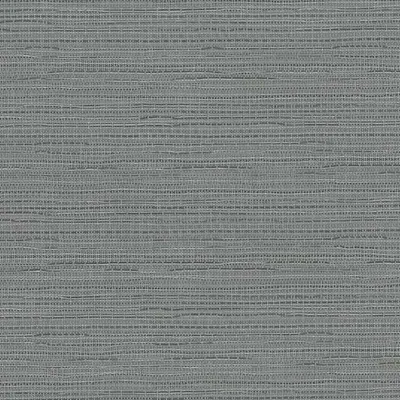
  • VX Screen 3000-1%: colours

    Linen

    VX Screen 3000-1%

    1% open · 30% PES + 70% PVC · 530 g/m²

    The tightest weave in the range and the heaviest cloth. For a west elevation with a screen in it, or a room where a monitor faces the window. Still not a blackout — it is a screen with almost no hole in it.

  • VX Screen 3000-3%: colours

    Linen

    VX Screen 3000-3%

    3% open · 30% PES + 70% PVC · 440 g/m²

    The one most Miami-Dade rooms end up with. Enough weave to kill the afternoon glare, enough opening that the view is still a view rather than a texture.

  • VX Screen 3000-5%: colours

    Linen

    VX Screen 3000-5%

    5% open · 30% PES + 70% PVC · 420 g/m²

    The middle of the range. For a room that wants its outlook back and is not fighting a low western sun to keep it.

  • VX Screen 3000-10%: colours

    Linen

    VX Screen 3000-10%

    10% open · 30% PES + 70% PVC · 410 g/m²

    The most open weave here. It takes the edge off the light and very little else, which is what a shaded or north-facing opening actually needs.

  • VX Screen Bryson 11%: colours

    Ash

    VX Screen Bryson 11%

    11% open · 16% PES + 84% PVC · 426 g/m²

    A heavier vinyl content and a coarser texture than the 3000 range, in graphite and ash. For an opening where the cloth is meant to be looked at as well as through.

Compositions and weights are the mill’s published figures. The colour card and the run available at the time are confirmed on the quote, not here — and openness is a property of the cloth, so it is the same number at any size we order it in.

What a screen is the right answer to

  • Glare on a screen, which impact glass does nothing about

    A low-E coating cuts the ultraviolet and some of the heat and leaves the brightness exactly where it was. The weave is the only thing on this list that takes that away.

  • Solar heat on the west side, on top of whatever the glass already stops

  • A view you want to keep, which is the one thing a blackout cannot offer

  • Ultraviolet on floors and furniture, cut further by the cloth than by the glass alone

  • A wall of sliding glass, where one wide screen reads better than four small ones

  • Daytime privacy only — a screen goes transparent from the lit side after dark

Questions about screen shades

Which openness should I ask for?

Start from the elevation. A west or south-west window with afternoon sun in it usually wants 1% or 3%; anything shaded or north-facing is comfortable at 5% or 10%. If a monitor faces the glass, go tighter than you think — glare is the complaint people call back about.

Will a screen darken the room?

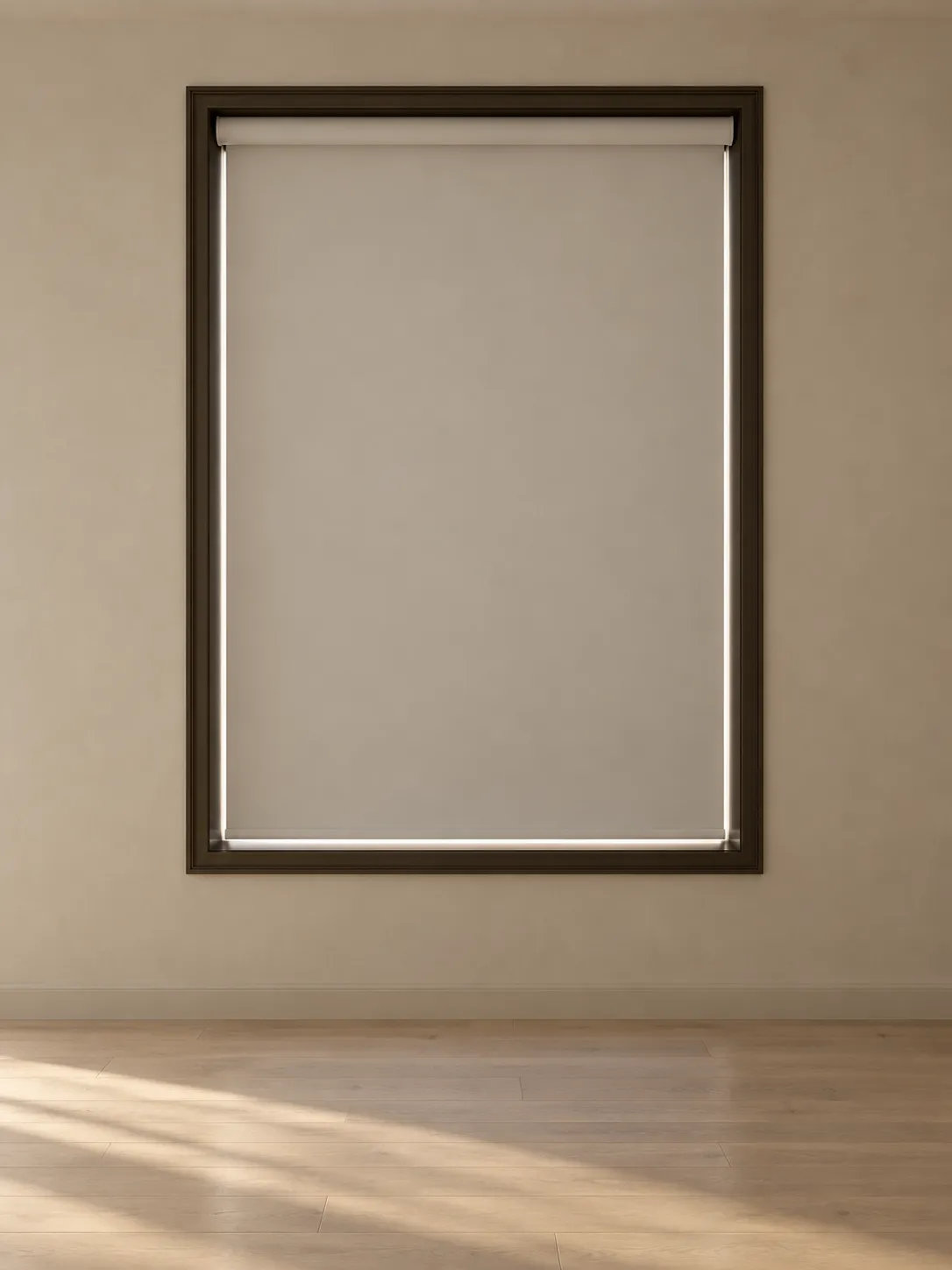
It cuts the brightness, and no screen makes a room dark. Light passes through the yarn as well as through the openings, so even a 1% leaves a lit rectangle. A room that has to go dark is a blackout fabric, or a screen with a blackout on the same opening.

Can people see in?

By day, no — the bright side is the side you cannot see into, and that is the street. After dark it reverses: with the lights on inside, a screen is close to transparent from outside. If the room is used at night, it needs a second layer.

Does the screen do anything for the hurricane rating?

No. Protection is the glass, the frame and the anchoring, and the Notice of Acceptance belongs to those. A screen shade is a cloth on the inside of an opening that is already protected, and it is sold here as nothing else.

The rest of the catalog

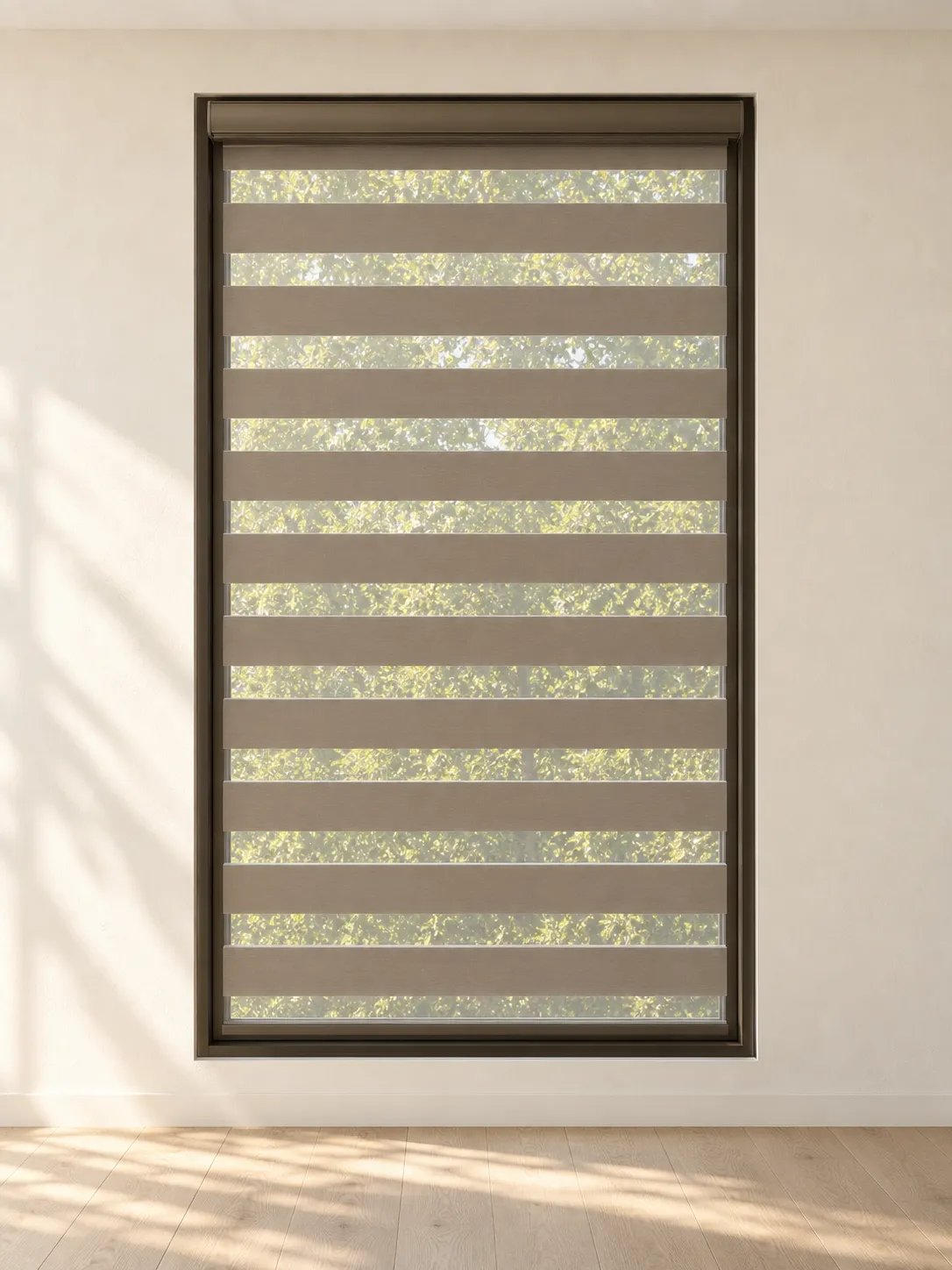
Everything else under Shades

One set of measurements and one quote whichever of these you land on. What changes is what the cloth does to the light — and, on the last of them, what raises it.

Tell us which windows face the afternoon

We quote the openness and the colour against the elevation each opening is on, alongside the glass.

Get a free estimate